5 Winter Beating Furnace Tips for Ontario Homes
Five checks do most of the work of getting a furnace ready for an Ontario winter. To keep your home safely heated through winter, book a professional tune-up, replace the filter, test the thermostat, clear registers and return grilles, and test carbon monoxide alarms while checking exterior vents for snow and ice. Each one targets a common reason furnaces quit when the temperature drops.
Most no-heat calls in January trace back to something that was visible in October: a packed filter, a weak thermostat battery, or a side-wall vent buried by a snowbank. Some of these jobs you can handle in ten minutes. Others involve gas and combustion, and those belong with a licensed technician.
The tips below show you which jobs fall on which side of that line. They also cover the signs that a furnace needs more than routine care.
1) Book a Furnace Tune-Up With Prologic Comfort Solutions
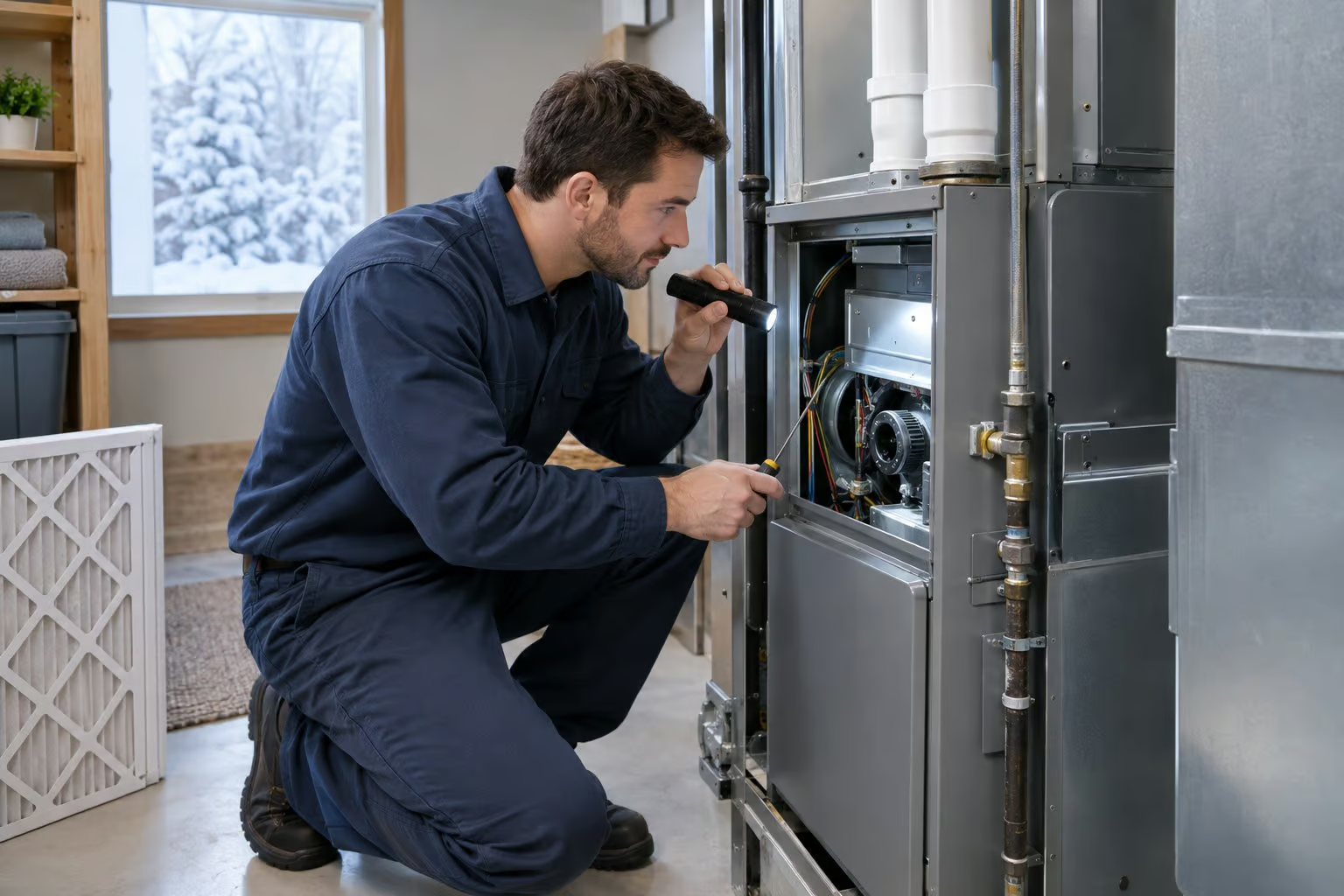
A yearly tune-up by a licensed technician covers the parts of your furnace you should never open yourself. That includes the burners, the igniter, the heat exchanger, the flame sensor, safety switches, and the venting that carries exhaust out of your home. Natural Resources Canada also recommends regular professional HVAC maintenance to keep heating equipment operating safely and efficiently.
During a proper service visit, expect the technician to:
- Clean and check the burners and flame sensor
- Inspect the heat exchanger for cracks or rust
- Test safety controls such as the limit switch
- Check the blower motor and airflow
- Confirm the venting is sealed and drafting correctly
Early fall is the best window. You get it done before the busy season and before you rely on heat every night.
In Southern Ontario, Prologic Comfort Solutions services gas, oil, and electric furnaces from Hamilton and Burlington down through Norfolk County. The company is a TSSA-licensed contractor with certified gas fitters on staff, which matters for any work on fuel-burning equipment. If your heat fails mid-winter, Prologic also offers 24/7 emergency furnace repair for ignition failure, no heat, poor airflow, odd smells, and furnaces that won’t stay running.
2) Replace the Furnace Filter Before Heavy Winter Use
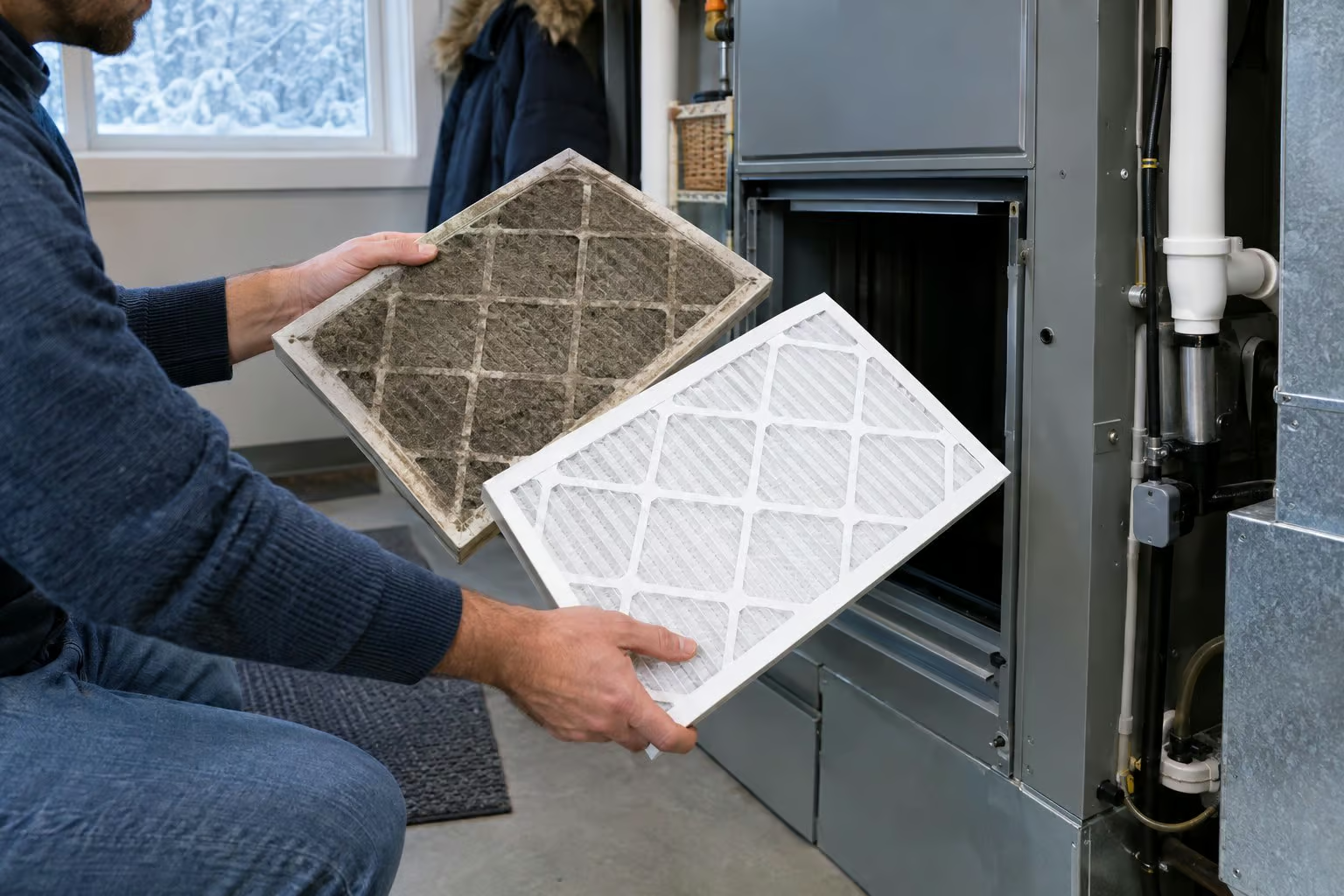
A fresh filter is the easiest thing you can do to protect your furnace. A clogged one chokes airflow, so the furnace runs hotter and longer. On many systems, that heat buildup trips the high-limit switch and shuts the burners off.
Here’s how to do it:
- Turn the furnace off at the thermostat or the service switch.
- Slide the old filter out of its slot near the blower or the return duct.
- Read the size printed on the frame (for example, 16x25x1).
- Insert the new filter with the airflow arrow pointing toward the furnace.
- Close the door fully. Many furnaces won’t run if the blower door is loose.
Check a 1-inch filter monthly once the heat is running daily. Swap it every one to three months, sooner with pets or renovation dust. Thicker 4- or 5-inch media filters last longer, so follow the label. Health Canada also recommends regularly cleaning or replacing furnace filters to help maintain indoor air quality and reduce fine particulate matter.
Buy two or three filters at once. You’ll have a spare on hand when the stores run low in a cold spell.
3) Test the Thermostat Before the First Cold Snap
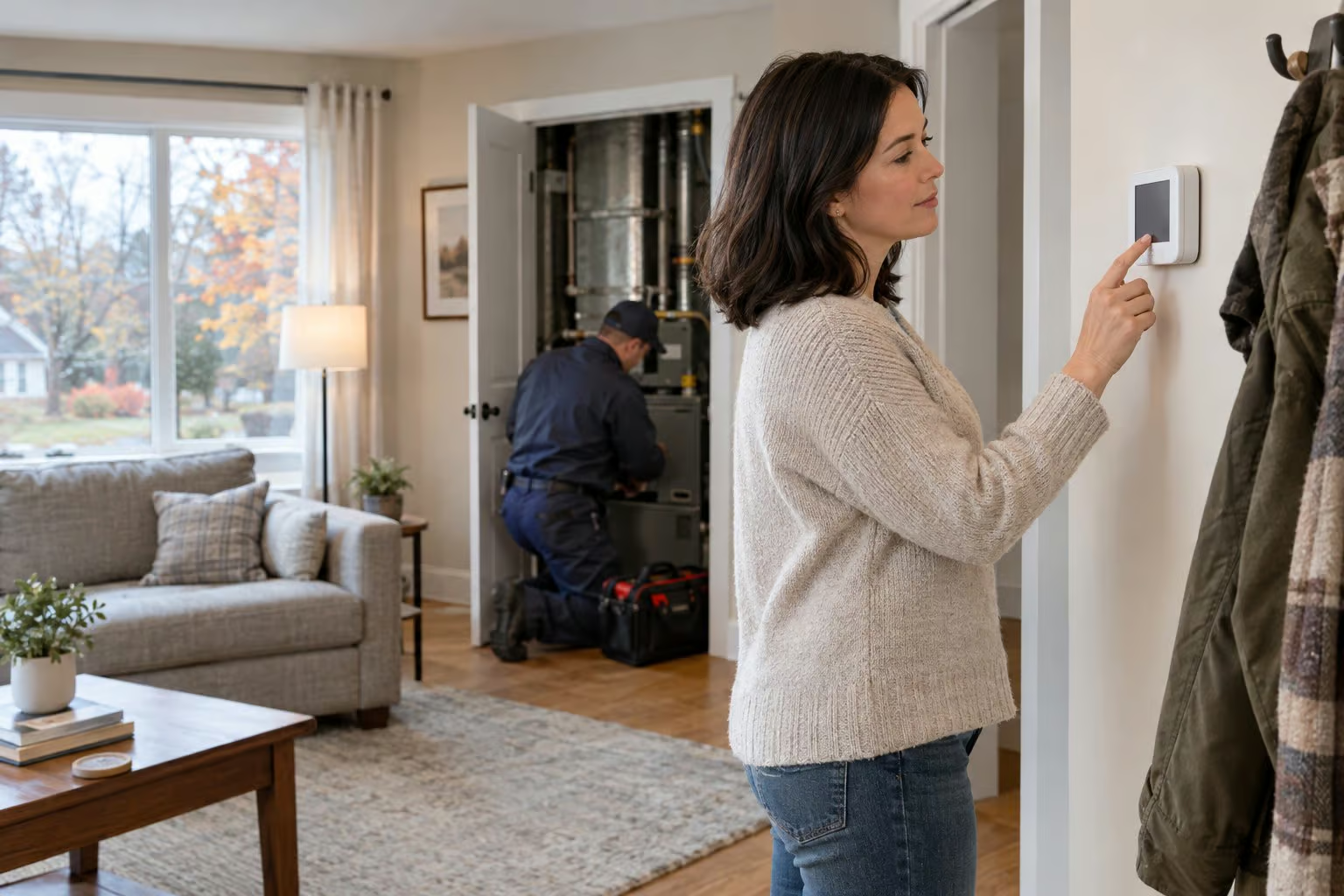
Your thermostat tells the furnace when to start, so test it while a failure is still an inconvenience. Set it to “Heat” and raise the temperature 3 or 4 degrees above the room reading.
Within a few minutes you should hear the inducer fan, then ignition, then the main blower. Warm air should reach the registers soon after.
If nothing happens, check these before calling for service:
- Batteries: Many thermostats run on AA or AAA cells. A low battery is a common cause of no response.
- Mode and schedule: Confirm it’s set to Heat and that a program isn’t overriding you.
- Breaker and switch: Make sure the furnace breaker and the light-style switch near the unit are on.
- Accuracy: Compare the display to a separate thermometer. A reading off by a few degrees points to a bad location or a failing sensor.
A programmable or smart thermostat lowers the setpoint at night and while you’re out. That cuts run time without leaving the house cold.
4) Keep Supply Registers and Return Air Grilles Clear
Your furnace heats only as well as it can move air, and that depends on open registers and return grilles. Supply registers push warm air into rooms. Return grilles pull air back to the furnace. Both sides count.
Walk through each room and look for:
- Couches, beds, or dressers sitting over floor registers
- Area rugs covering vents
- Long curtains hanging in front of baseboard registers
- Boxes stacked against the large return grille, often in a hallway or basement
Leave at least 30 cm of open space in front of returns. Vacuum dust off the grilles while you’re there.
Avoid closing registers in unused rooms to “save heat.” On many systems, shutting too many raises pressure in the ducts. That makes the blower work harder and can overheat the heat exchanger.
If one room stays cold with everything open, note which one. A technician can check for a disconnected duct or a balancing problem during service. Natural Resources Canada explains how ductwork leaks and poor airflow distribution can contribute to uncomfortable rooms and higher heating costs.
5) Test Carbon Monoxide Alarms and Check Exterior Vent Openings
Carbon monoxide alarms and clear exterior vents protect your household from the most serious furnace risk. CO is colourless and has no smell. A cracked heat exchanger or a blocked exhaust can push it into living space.
Ontario law requires working CO alarms near sleeping areas and on every storey of homes with a fuel-burning appliance, fireplace, or attached garage. To check yours:
- Press the test button on every alarm
- Replace batteries in battery-only units
- Look at the “replace by” date on the back; sensors wear out
Then go outside. High-efficiency furnaces vent through two white plastic pipes on a side wall: one exhaust, one fresh-air intake. Snowdrifts, ice, leaves, and even bird nests can block them. When that happens, most furnaces shut down on a pressure switch, and you lose heat.
After heavy snow or a freezing-rain storm, brush the area clear by hand. Keep snowblower piles and shovelled banks away from the pipes. Never chip ice off the pipe ends with a tool, since cracked plastic venting needs a technician.
When Routine Maintenance Is Not Enough
Routine care handles airflow and controls. It won’t fix worn parts, failing ignition systems, or venting faults. These signs tell you the problem has moved beyond homeowner checks.
What do repeated shutdowns or uneven heating suggest?
A furnace that starts, runs a few minutes, then shuts off is short cycling. Once you’ve ruled out a dirty filter and blocked vents, common causes include:
- A dirty or failing flame sensor
- An overheating heat exchanger tripping the limit switch
- A faulty pressure switch or inducer motor
- A thermostat installed near a heat source
Uneven heating, with some rooms warm and others cold, points to duct leaks, a weak blower, or a furnace sized wrong for the house. Each of these needs testing with proper tools. Resetting the furnace over and over hides the symptom and adds wear.
When does a furnace problem need urgent attention?
Some problems can’t wait for a regular appointment. Treat these as urgent:
- Gas smell (rotten eggs): Leave the house at once. Don’t touch switches. Call your gas utility or 911 from outside.
- CO alarm sounding: Get everyone outside and call 911.
- No heat in freezing weather: Pipes can freeze within hours in an unheated home.
- Burning plastic or electrical smell: Shut the furnace off and call for service.
- Loud bangs at startup: Delayed ignition needs a technician quickly.
A light dusty smell on the first run of the season is normal and fades within an hour or two.
How should you decide between repair and replacement?
Base the decision on age, repair history, and efficiency. Many furnaces last around 15 to 20 years. As yours nears that range, every large repair deserves a harder look. It also makes sense to compare the efficiency of newer equipment, including ENERGY STAR certified residential furnaces, before deciding whether another repair is worthwhile.
Consider these points together:
| Factor | Leans toward repair | Leans toward replacement |
|---|---|---|
| Age | Under 12 years | 15+ years |
| Repair history | First major issue | Several calls in two winters |
| Heat exchanger | Intact | Cracked |
| Comfort | Even heat | Cold rooms, high bills |
A cracked heat exchanger on an older furnace is usually the deciding point. Ask your technician to show you the condition of the part and the cost of each option in writing.
Frequently Asked Questions
When should I schedule a furnace tune-up in Ontario?
Early fall, from September through October, is the best time. You beat the rush that follows the first hard frost, and any repair gets done before you need daily heat.
How often should I change my furnace filter during winter?
Check a standard 1-inch filter every month and replace it every one to three months. Homes with pets, smokers, or renovation dust need more frequent changes. Thick media filters follow the maker’s schedule.
Why does my thermostat call for heat when the furnace does not start?
Start with thermostat batteries, the furnace breaker, and the service switch near the unit. Then check that the blower door is shut and the outdoor vent pipes are clear of snow. If all of those check out, the cause is likely an ignition, sensor, or pressure switch fault that needs a technician.
Can blocked return air grilles affect furnace performance?
Yes. A blocked return starves the furnace of air, which raises its operating temperature and trips safety shutdowns. Keep returns uncovered and give them about 30 cm of open space.
What should I do if my carbon monoxide alarm sounds?
Get everyone, including pets, outside into fresh air right away and call 911. Don’t go back in until emergency responders say it’s safe. Have a licensed technician inspect the furnace and venting before you use the heat again.