Refrigeration Training in the United States
Overview of Refrigeration Training in the United States
Why it matters
Refrigeration training is essential for anyone pursuing a career in HVAC or refrigeration services. Proper training ensures technicians can safely and effectively handle refrigeration systems. This knowledge directly affects system performance and compliance with legal standards.
Types of refrigeration training programs available
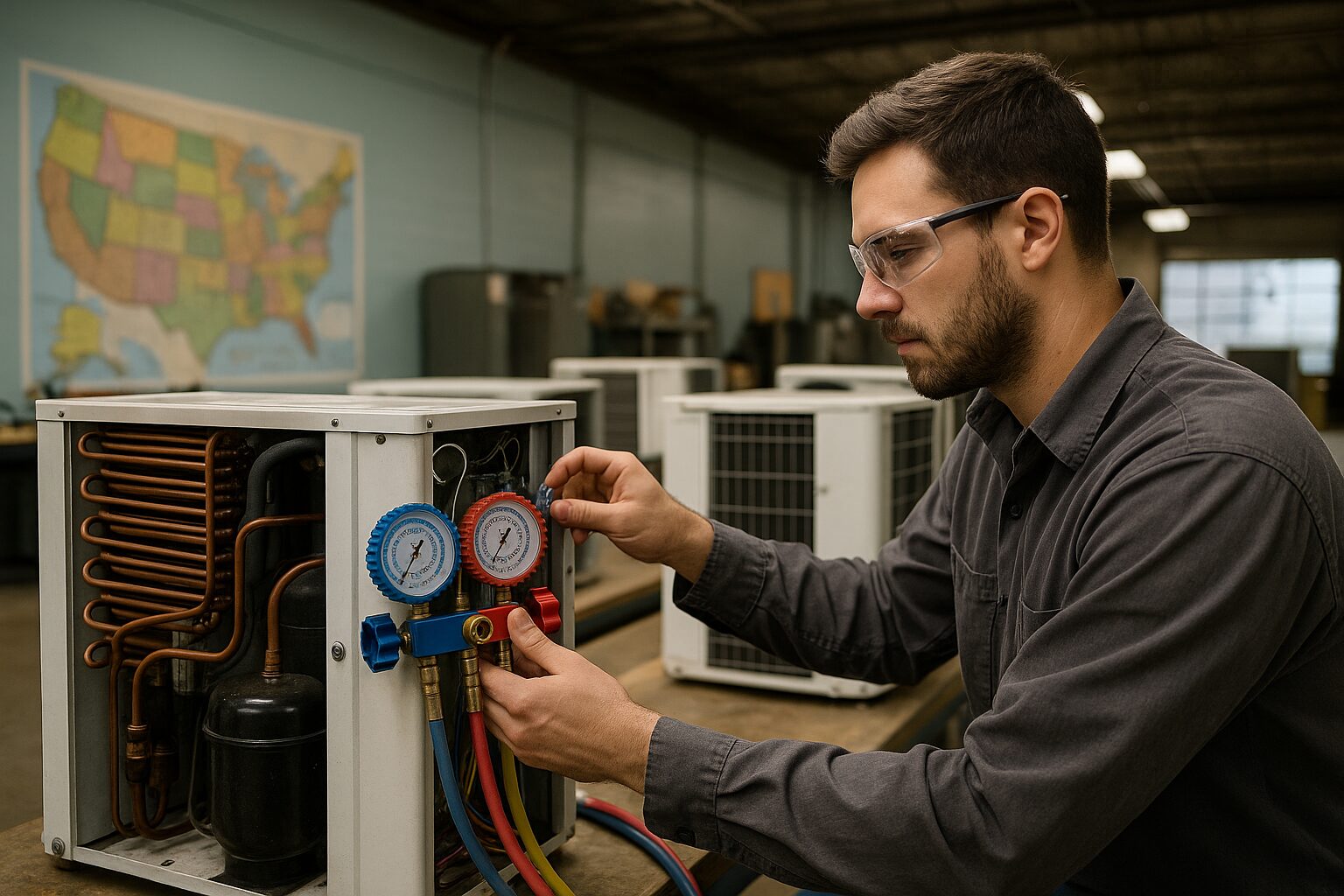
Refrigeration training programs vary from basic introductory courses to advanced technical certifications. Some focus on residential refrigeration while others specialize in commercial or industrial systems. Many programs combine classroom instruction with hands-on practice to develop practical skills.
A common challenge in these programs is balancing theoretical knowledge with real-world application. Without sufficient hands-on experience, technicians may struggle with troubleshooting complex systems after certification.
Certification requirements for refrigeration technicians
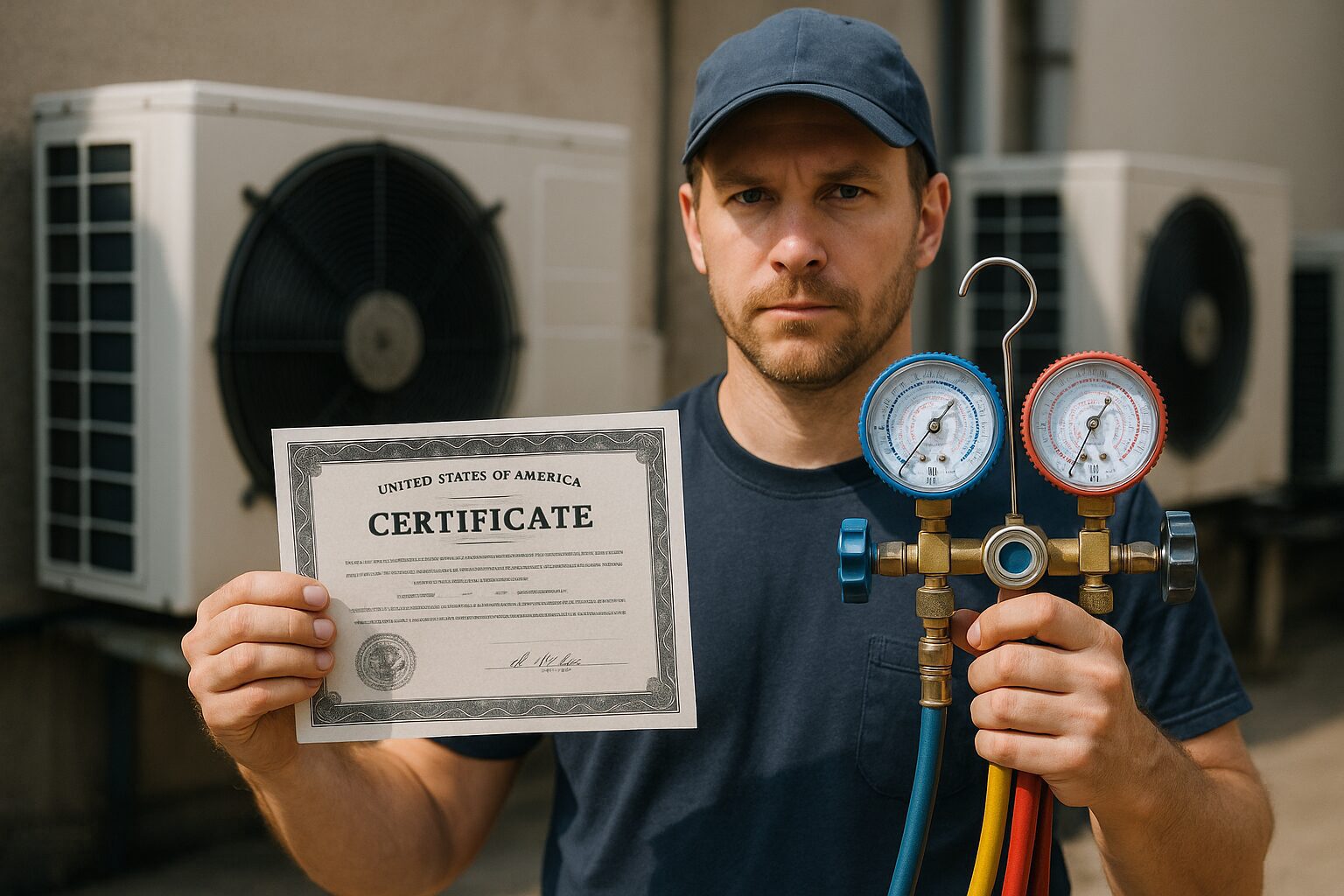
Technicians must obtain certifications to legally work with refrigerants. The Environmental Protection Agency (EPA) mandates Section 608 certification for handling refrigerants in the U.S. This certification has different types depending on the equipment involved, such as Type I for small appliances and Type II for high-pressure systems.
Failing to meet certification requirements can lead to legal penalties and restrict job opportunities. Employers often require proof of certification before hiring or assigning work involving refrigerants.
Duration and structure of refrigeration courses
Course lengths vary widely, typically ranging from a few weeks to several months. Shorter courses cover fundamentals, while longer programs include in-depth technical training and safety protocols. Many courses are modular, allowing students to progress through levels at their own pace.
For a detailed explanation of core concepts, the basic refrigeration training handout provides useful insights into fundamental principles and practices.
One tradeoff in course design is the balance between comprehensive training and time commitment. Intensive programs offer thorough preparation but may be less accessible for working professionals.
Importance of refrigeration training for HVAC careers
Refrigeration skills are critical for HVAC technicians who maintain heating and cooling systems. Proper training reduces the risk of equipment failure and improves energy efficiency. It also ensures compliance with safety standards, protecting both technicians and customers.
Technicians without adequate refrigeration training may face difficulties diagnosing system issues or performing repairs correctly, leading to costly callbacks or unsafe conditions.
Regulatory standards impacting refrigeration training in the United States
Understanding the various refrigerant certification types is crucial for compliance and career advancement. Different certifications correspond to specific refrigerants and equipment, requiring tailored training approaches.
Training programs must align with federal and state regulations, particularly those governing refrigerant handling and environmental protection. The EPA’s regulations drive much of the curriculum content, focusing on safe refrigerant recovery and leak prevention.
Ignoring regulatory standards can result in failed inspections, fines, and revoked licenses, making adherence a vital part of any training program.
Refrigeration Certification and Licensing in the United States
Why it matters
Refrigeration professionals must meet strict certification and licensing standards to work legally and safely. These requirements protect the environment and ensure proper handling of refrigerants. Understanding the certification landscape helps technicians maintain compliance and advance their careers.
EPA Section 608 certification details
The EPA Section 608 certification is mandatory for anyone who handles refrigerants in the U.S. It covers the safe use and disposal of substances that can harm the ozone layer. There are four types of certification based on the equipment handled: Type I for small appliances, Type II for high-pressure systems, Type III for low-pressure systems, and Universal for all types.
Failing to obtain the correct certification can lead to heavy fines and legal issues. Many technicians underestimate the importance of proper testing and record-keeping, which can cause compliance failures during inspections.
State-specific licensing requirements
Beyond federal certification, many states impose their own licensing rules. These can include additional exams, background checks, or proof of work experience. Some states require licenses for refrigeration contractors, not just technicians.
State licensing often reflects local regulations on refrigerant use and safety standards. Ignoring these can result in denied permits or halted projects. Technicians must verify state requirements before starting work to avoid costly delays.
Continuing education for refrigeration professionals
Continuing education keeps technicians updated on new regulations, technologies, and best practices. Many states require periodic training to renew licenses. This education can include courses on refrigerant handling, system diagnostics, and emerging refrigerant types.
Skipping ongoing training risks falling behind industry standards and losing licensure. It also limits career growth opportunities, as employers prefer certified professionals with current knowledge.
National Refrigeration Foundation certifications
Many professionals rely on EPA Section 608 certification as a baseline credential recognized nationwide, which simplifies some aspects of reciprocity.
The National Refrigeration Foundation offers advanced certifications that demonstrate expertise beyond basic licensing. These credentials cover specialized areas like commercial refrigeration, HVAC systems, and refrigeration system design.
Reciprocity of refrigeration licenses across states
These certifications require passing rigorous exams and meeting experience criteria. They help technicians stand out in a competitive job market and qualify for higher-paying roles. However, pursuing them demands significant time and study commitment.
License reciprocity allows technicians to work in multiple states without retaking all exams. However, reciprocity agreements vary widely. Some states fully recognize other states’ licenses, while others require additional testing or paperwork.
Understanding reciprocity rules is crucial for technicians who travel or relocate. Misinterpreting these rules can lead to unlicensed work, penalties, or job loss. Planning ahead ensures smooth transitions between jurisdictions.
Choosing the right certification program
Exploring refrigeration certification programs can help identify options that fit individual career goals and state requirements.
Selecting a reputable certification program affects the quality of training and recognition by employers. Programs vary in cost, format, and comprehensiveness. Some focus on entry-level skills, while others prepare candidates for advanced certifications.
Technicians should consider programs accredited by industry organizations for credibility. Many also offer online or hybrid courses to accommodate working professionals.