
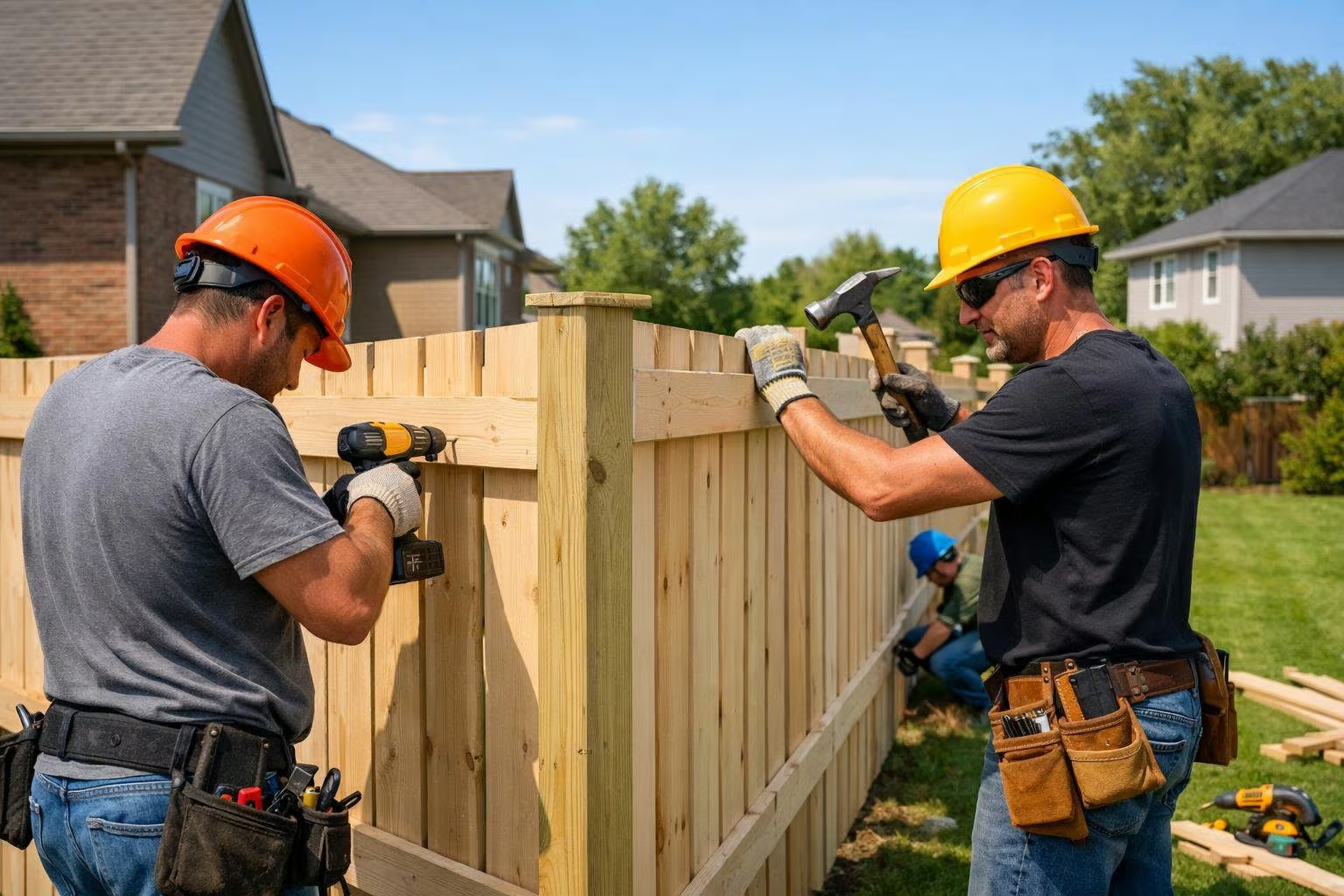
New Fences in Brantford
Fence Construction in Brantford Ontario: Options & Expertise
When planning new fence construction in Brantford Ontario, property owners want clear answers about cost, materials, permits, and long-term value.
New fence construction in Brantford Ontario involves selecting the right material, meeting local property rules, and hiring experienced installers to ensure the fence is built correctly and lasts for years.
Homeowners and business owners can choose from wood, vinyl, chain link, or metal designs based on budget and purpose.
Professional crews that specialize in Brantford fence, gate, deck and railing projects handle both residential and commercial work, which helps streamline planning and installation. Hache Construction is one local contractor that provides fence construction services across Brantford for both homeowners and commercial property owners.
This guide explains how to choose the right fence style, what installation involves, and how decks or other outdoor features can connect with a new fence.
It also covers common questions about timelines, permits, and what to expect during construction so there are no surprises once the project begins.
Choosing the Right Fence Options for Your Property
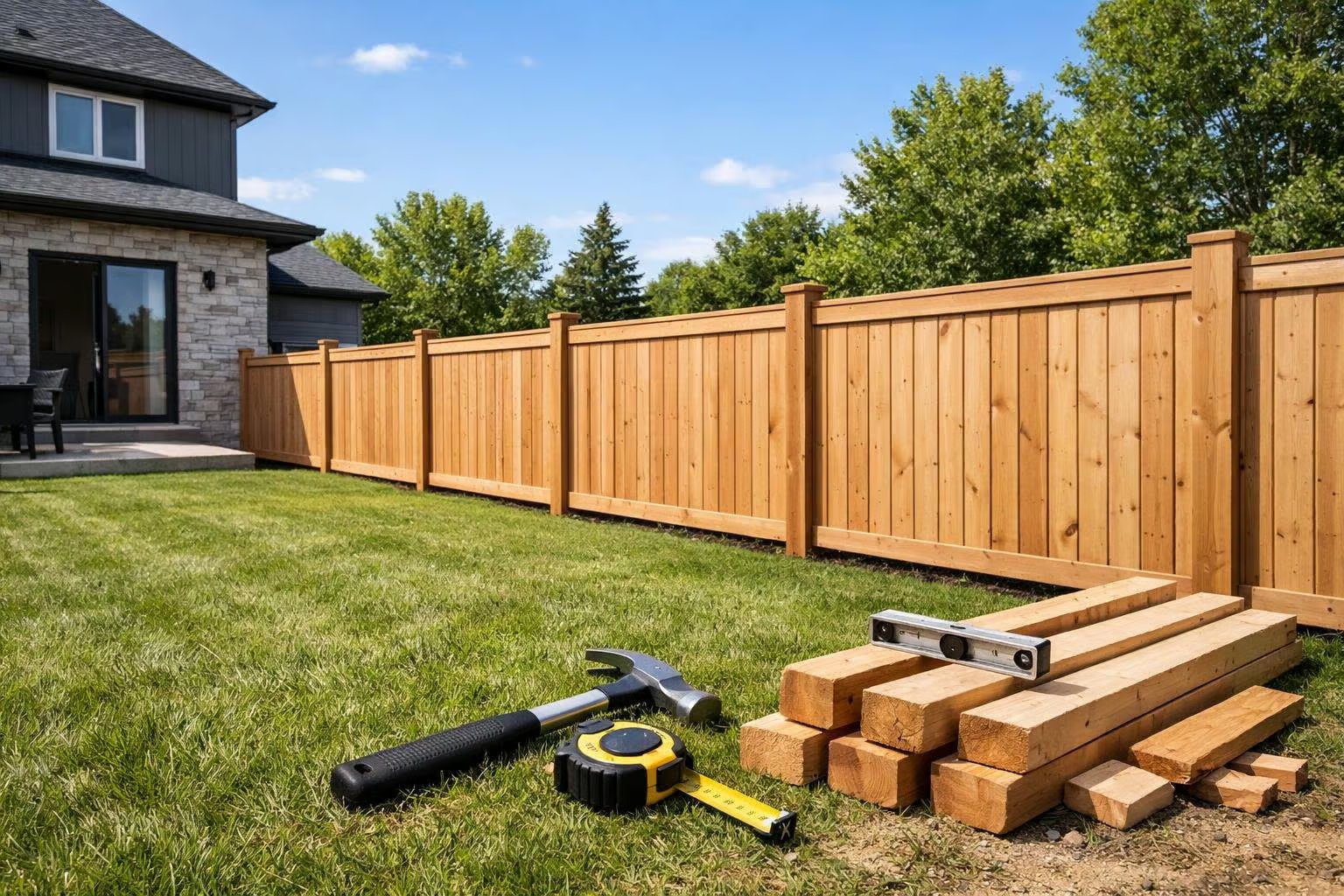
Property owners in Brantford Ontario need fence options that match their goals, budget, and lot layout.
The right choice depends on how the fence will function day to day and how it fits the home’s design.
Assessing Your Needs and Goals
Every fence installation should start with a clear purpose.
Some owners want privacy for a backyard, while others want to keep pets safe or define property lines.
Privacy usually calls for solid panels such as a wood fence or vinyl fence.
Security often leads to chain link fences with lockable gates or wrought iron fences with narrow pickets.
Height also matters.
Many residential fences range from 4 to 6 feet, but local rules may limit height and placement.
Owners should confirm setback and height rules before building.
A practical overview appears in this guide on choosing the right fence.
Budget shapes the decision as well.
Wood fences often cost less upfront, while vinyl fence systems cost more at first but need less upkeep.
Owners should compare initial price, repair costs, and expected lifespan before signing a contract.
Popular Fence Materials Available
Brantford Ontario homeowners often choose from wood, vinyl, metal, or chain link.
Each material performs differently over time.
Wood fences remain common because they offer a natural look and flexible design.
Builders can install board-on-board, privacy panels, or decorative tops.
Wood needs regular staining or sealing to prevent rot and warping.
Vinyl fence systems resist moisture and do not require painting.
They clean with soap and water.
Many brands offer privacy panels that look similar to painted wood.
Chain link fences cost less than most other fence options.
They work well for side yards, large lots, and pet areas.
They do not provide much privacy unless slats are added.
Wrought iron fences and aluminum styles provide strength and a formal appearance.
They suit front yards and properties where visibility matters.
A detailed comparison appears in this article on choosing fence material, which reviews wood, vinyl, metal, and composite options.
Matching Fence Types to Property Styles
Fence types should match the home’s structure and the yard’s layout.
A tall solid wood fence fits a private backyard with a patio or pool.
A vinyl fence with clean lines works well with newer homes that feature simple trim and neutral siding.
It provides privacy without frequent maintenance.
Wrought iron fences suit brick homes or properties with formal landscaping.
They frame the yard without blocking views.
Chain link fences fit utility areas, rental properties, or wide side yards where cost and function matter more than appearance.
Owners should also consider gate placement, driveway width, and slope.
Proper planning ensures the fence installation looks intentional and works as expected for years.
Types of Fences Offered in Brantford Ontario
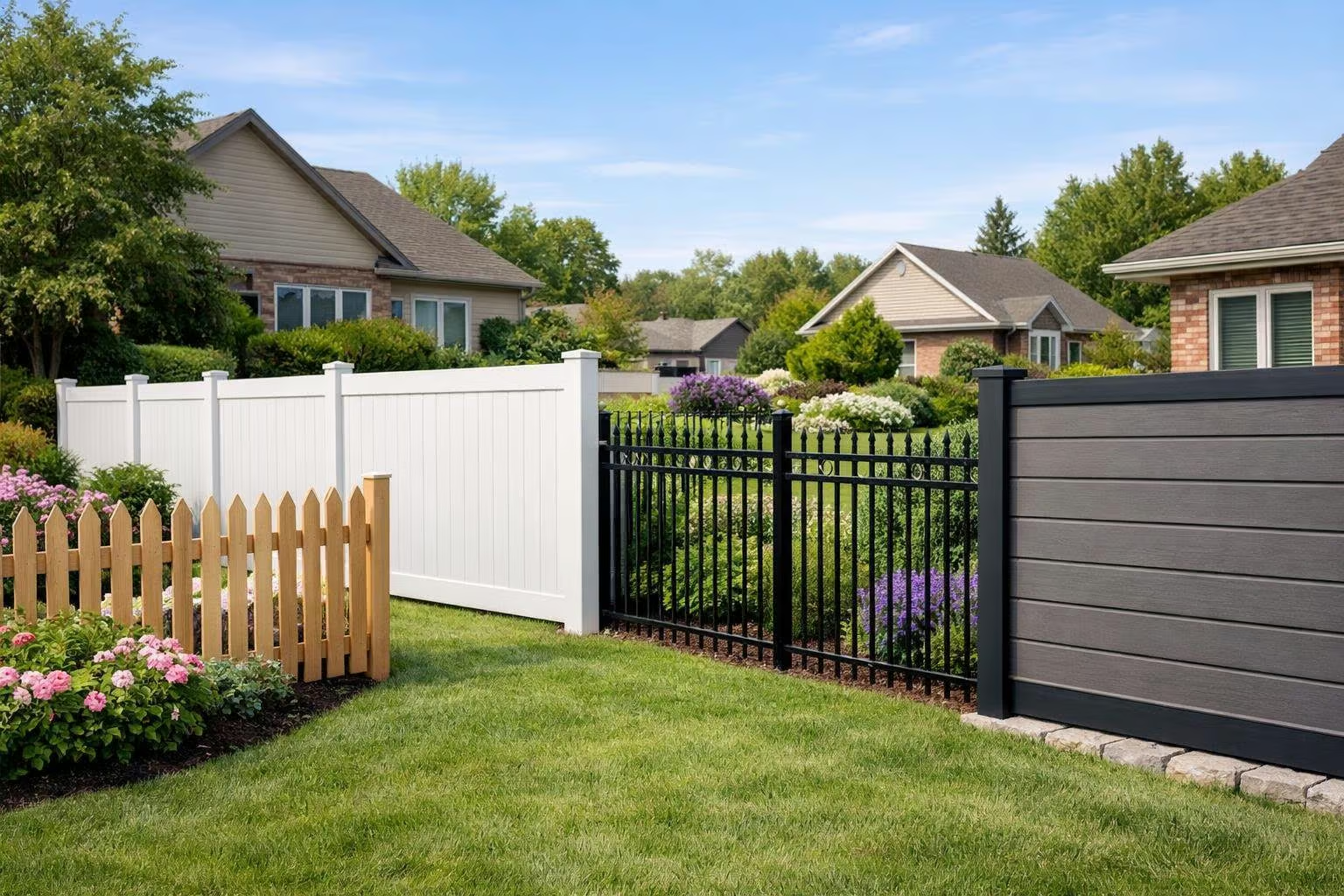
Property owners in Brantford Ontario can choose from practical chain link, classic wood, low‑maintenance vinyl, and strong wrought iron options.
Each fence type serves a clear purpose, from basic boundary marking to added privacy and long‑term durability.
Chain Link Fences for Security and Value
Chain link fences remain one of the most cost‑effective choices for new fence installation.
Some local providers note prices starting around $13 per linear foot for basic systems, depending on height and layout.
Galvanized steel resists rust and handles daily wear.
Installers stretch the mesh tightly between steel posts set in concrete to prevent sagging.
Key benefits include:
- Clear visibility for security
- Low material and labor cost
- Fast installation timelines
- Minimal maintenance needs
Many property owners add privacy slats or vinyl coatings for a cleaner look.
Chain link fences work well for yards, side lots, and commercial areas that need secure but simple boundaries.
The Enduring Appeal of Wood Fences
Wood fences offer privacy and a natural appearance that many homeowners prefer.
Cedar remains a common choice because it resists rot and insects better than untreated lumber.
Installers build wood fences in styles such as:
- Solid board privacy
- Board‑on‑board
- Picket
- Horizontal slat
Cedar boards can last 15 to 20 years when properly maintained.
Posts must sit below the frost line in concrete to prevent shifting.
Wood fences require staining or sealing every few years to control moisture and surface wear.
Skilled crews focus on straight lines, tight board spacing, and secure gates.
Quality craftsmanship shows in even spacing and clean cuts, which affect both strength and appearance.
Modern Vinyl Fences and Their Advantages
A vinyl fence provides a clean and uniform look without regular painting or staining.
Manufacturers form panels from PVC that resists cracking, peeling, and insect damage.
Many systems include interlocking panels and reinforced posts.
This design speeds up fence installation and improves structural strength.
Common vinyl styles include:
- Full privacy panels
- Semi‑private designs
- Ranch rail
- Decorative tops with lattice
Vinyl costs more upfront than basic wood in many cases.
However, it requires little upkeep beyond washing with water and mild soap.
For homeowners who want privacy without routine maintenance, vinyl offers a practical long‑term option.
Wrought Iron Fences for Durability and Style
Wrought iron fences provide strong perimeter protection and a formal look.
Modern versions often use powder‑coated steel to reduce rust and surface damage.
These fences feature vertical pickets welded to horizontal rails.
Installers anchor posts in concrete to prevent movement and keep panels aligned.
Wrought iron works well for:
- Front yard enclosures
- Pool barriers
- Driveway gates
- Decorative property borders
While wrought iron fences cost more than chain link or basic wood, they offer high strength and long service life.
Property owners often choose them when they want both visibility and a defined, structured appearance.
Decks, Outdoor Living Spaces, and Integrated Solutions
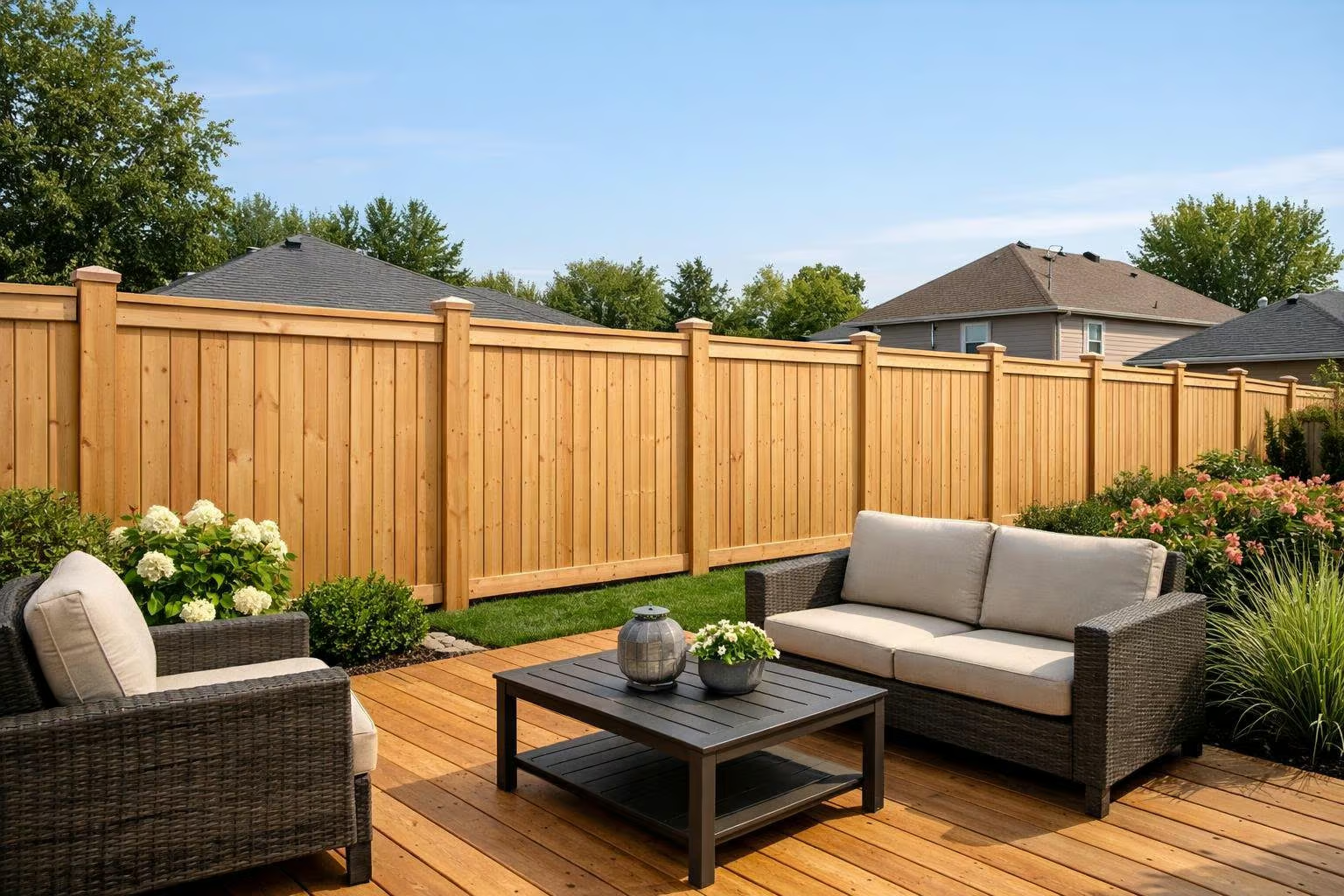
A well-built deck expands usable space and connects the home to the yard.
When a contractor plans a fence and deck together, the layout feels balanced and works better for daily use.
Deck Builder Services and Custom Designs
A skilled deck builder handles layout, framing, stairs, and railings from start to finish.
They measure the yard, review grade changes, and check local building code before they begin.
Many deck builders offer 3D design plans so the homeowner can see size, shape, and railing style before construction.
This step helps prevent costly changes later.
Common custom features include:
- Built-in bench seating
- Privacy screens that match the fence
- Multi-level platforms
- Wide stairs with proper rise and run
- Aluminum or glass rail systems
Homeowners can also hire a custom deck builder in Brantford for projects that combine decks, privacy walls, and outdoor kitchens.
Integrated planning reduces gaps between structures and keeps post spacing consistent.
Enhancing Outdoor Living Space with Fences and Decks
A deck creates space for seating and dining.
A fence defines the boundary and adds privacy and safety.
When contractors build the fence and deck at the same time, they align post heights and material colours.
This creates a clean line across the yard.
It also prevents issues where a fence blocks deck stairs or gates.
An effective outdoor living space often includes:
- A main deck area near the back door
- A fenced perimeter with at least one wide gate
- Clear sight lines for supervising children or pets
- Railings that meet guard height rules
Professional installers who focus on fence and deck construction in Brantford often schedule both builds together.
This approach shortens the project timeline and limits yard disruption.
Composite Deck and Wood Deck Options
Homeowners usually choose between pressure-treated wood and composite deck boards.
Each option has clear differences in cost, maintenance, and appearance.
Pressure-treated wood costs less upfront and remains common.
It requires sealing or staining every few years to reduce cracking and moisture damage.
Composite deck boards cost more at first but need less routine care.
According to the North American Deck and Railing Association, regular inspection and cleaning help extend deck life regardless of material.
Key differences include:
| Feature | Pressure-Treated Wood | Composite Deck |
|---|---|---|
| Upfront cost | Lower | Higher |
| Maintenance | Stain or seal | Wash with soap and water |
| Surface feel | Natural wood grain | Uniform texture |
| Color fade | Can fade unevenly | Designed to resist fading |
A deck builder should explain fastening systems, joist spacing, and manufacturer guidelines before installation.
Clear material choices lead to fewer repairs and better long-term performance.
Commercial and Residential Fence Installation Expertise
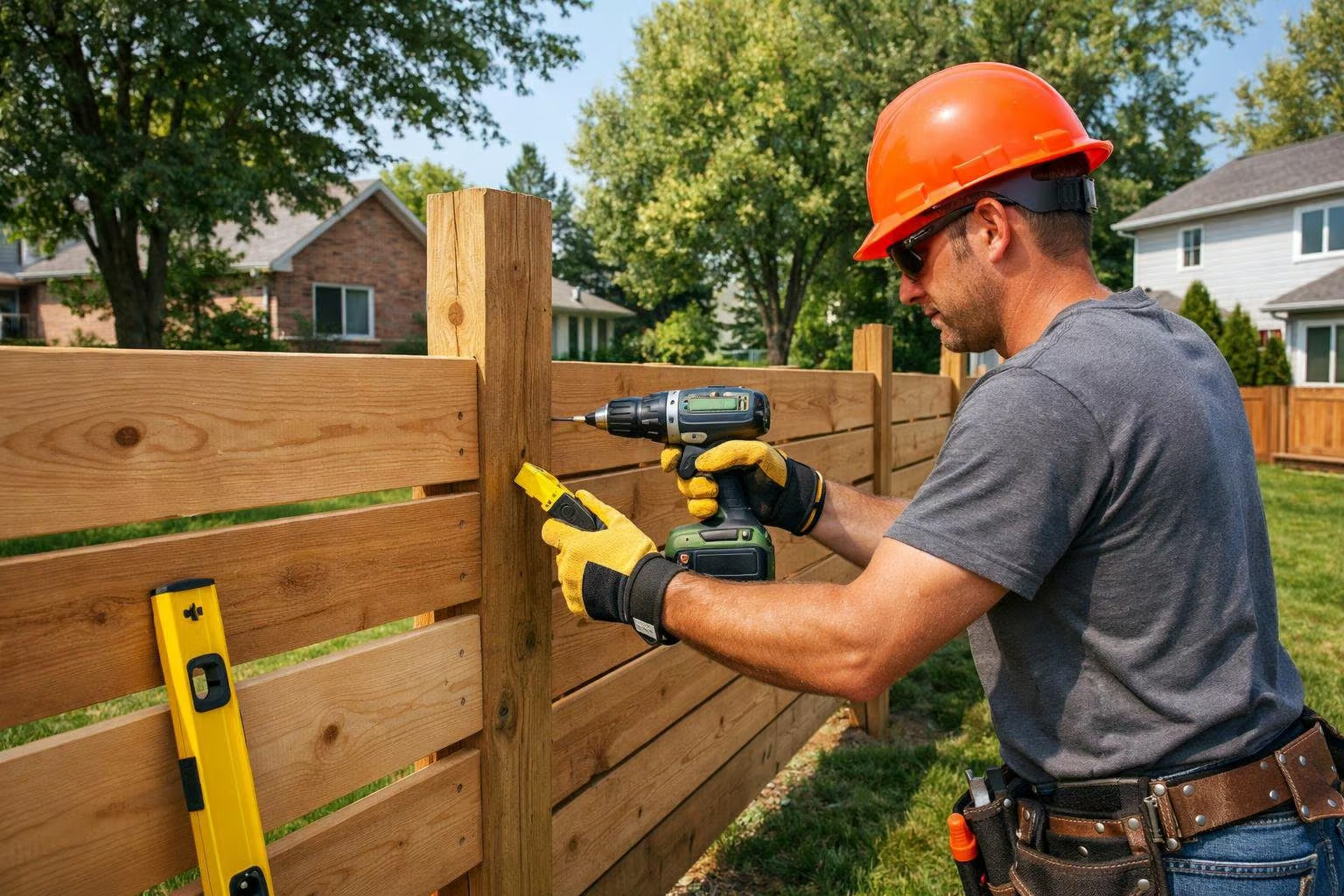
Property owners expect durable materials, proper post depth, and clean alignment.
Skilled crews handle both commercial fencing and residential fence installation with clear timelines and defined costs.
Premier Fencing for Businesses and Homes
Experienced contractors manage projects for retail sites, warehouses, offices, and private homes.
They plan each layout based on property lines, traffic flow, and security needs.
Commercial fencing often includes chain link, steel, or ornamental iron.
Residential work may focus on wood, vinyl, aluminum, or pool enclosures.
Each type serves a clear purpose such as access control, privacy, or perimeter security.
Brantford contractors like Hache Construction typically outline material options and project pricing for fences and decks upfront so property owners can compare before committing.
Chain link fencing may start around $13 per linear foot, while premium wood options can exceed $30 per linear foot depending on height and design.
Crews measure carefully, confirm underground utility locations, and set posts below the frost line to reduce shifting.
This step prevents leaning and extends the life of the fence.
Quality Craftsmanship and Professional Standards
Quality craftsmanship shows in straight lines, level gates, and tight hardware.
Installers space posts evenly and secure rails with proper fasteners rated for exterior use.
Professional fence installation follows local building rules for height limits and pool safety.
Crews verify gate self‑closing hinges where required and maintain consistent spacing between boards or pickets.
They also choose materials based on use:
- Chain link for durability and low upkeep
- Cedar for natural resistance to rot and insects
- Steel or aluminum for strength and clean appearance
Reliable contractors provide written estimates, clear payment terms, and defined project timelines.
This structure protects both the client and the installer.
Fence Repair and Maintenance Services
Fence repair services address leaning posts, broken boards, damaged panels, and worn hinges.
Quick repairs prevent larger structural problems and reduce long‑term costs.
Technicians replace cracked wood, reset loose posts in new concrete, and adjust gates that drag or fail to latch.
They inspect fasteners and brackets for rust or fatigue.
Regular maintenance often includes:
- Tightening hardware
- Cleaning debris from fence lines
- Checking for ground movement near posts
Many companies that handle installation also provide ongoing service, such as those listed among fencing contractors in Brantford.
Consistent upkeep keeps both commercial fencing and residential systems secure and functional for years.
Planning, Regulations, and Project Process in Brantford
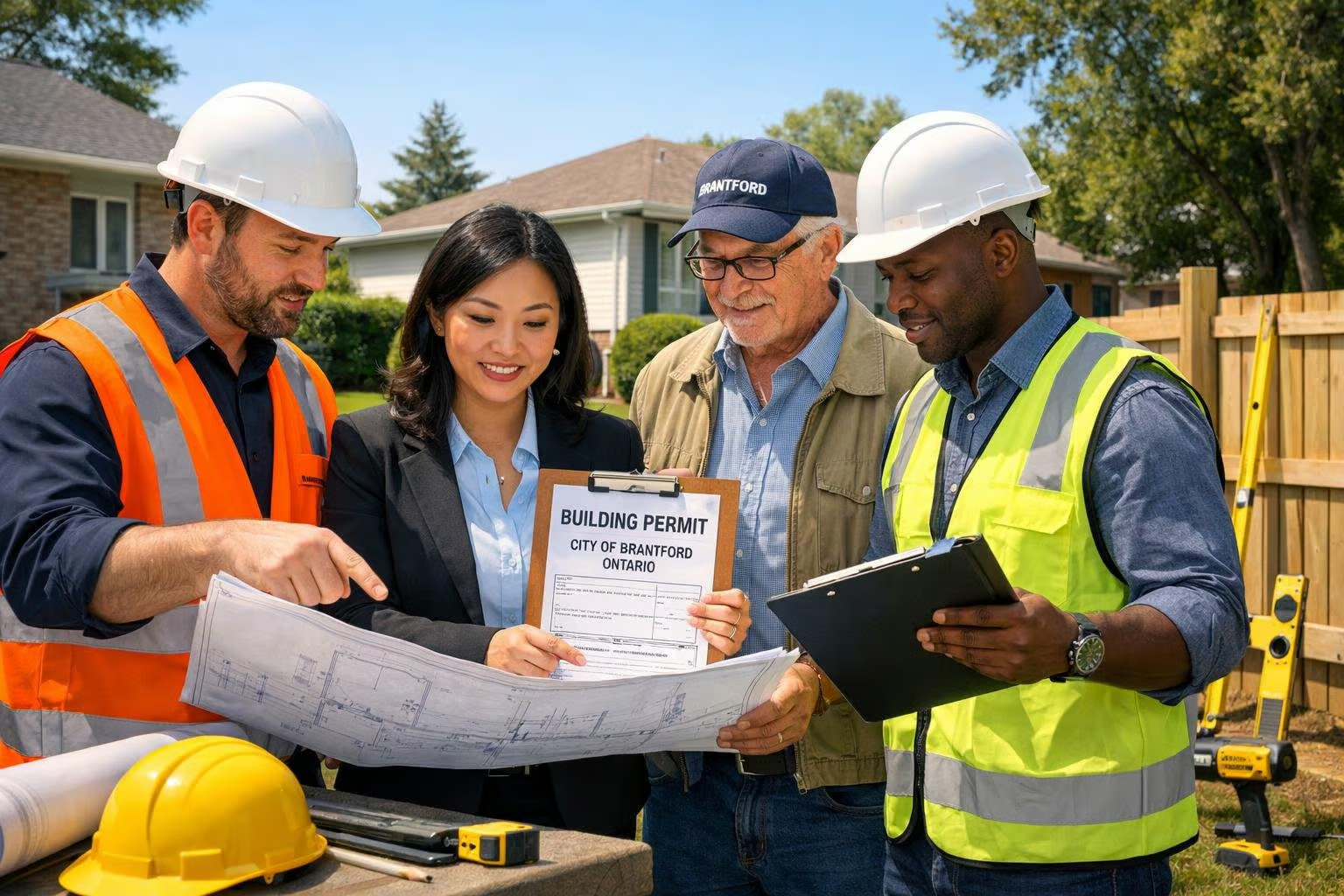
Building a fence in Brantford requires clear planning, knowledge of local rules, and a structured installation process.
Homeowners who follow city regulations and hire skilled contractors reduce delays and avoid costly changes.
Reviewing Brantford Fence By-Laws
Before starting fence installation, the homeowner should review the City’s rules on height, placement, and construction. Chapter 438 – fence height regulations sets limits based on yard location.
For example, front yard fences often have lower height limits than rear yard fences. Corner lots may face extra visibility rules.
The by-law also controls how close a fence can sit to property lines. The County of Brant outlines general height restrictions in its Fences Bylaw guidelines, which help clarify compliance expectations.
Even small changes in height can affect approval. Most residential fences do not require a building permit.
If the project involves structural components or forms part of a larger construction plan, the owner should confirm requirements through the City’s building permit information.
Step-by-Step Fence Installation Process
A proper fence installation follows a clear sequence to protect property lines and ensure quality craftsmanship.
1. Property Line Confirmation
The contractor or homeowner confirms legal boundaries using a survey. Installing even a few inches over the line can lead to disputes.
2. Design and Fence Options
They choose materials such as pressure-treated wood, vinyl, aluminum, or chain link. Each option varies in cost, durability, and maintenance needs.
3. Utility Checks
Before digging, they contact Ontario One Call to locate underground cables, gas lines, and water pipes. This step prevents damage and potential safety hazards.
4. Post Installation
Installers dig post holes below frost depth to prevent shifting. They secure posts in concrete and allow proper curing time.
5. Panel or Board Attachment
After posts set, they attach rails and panels. Accurate spacing and level alignment support long-term performance.
A typical residential fence project takes two to five days, depending on length and terrain.
Working with Local Contractors
Hiring an experienced contractor improves results and reduces errors. Skilled installers understand Brantford regulations and adjust designs to meet by-law limits.
Homeowners should request written quotes that outline materials, labour, timeline, and warranty terms. Clear contracts protect both sides.
Reputable contractors provide proof of insurance and explain their installation method. They should describe post depth, spacing, and fastening systems in plain terms.
Quality craftsmanship shows in straight lines, solid gates, and secure hardware. Comparing at least two or three quotes helps the homeowner assess pricing and fence options.
Frequently Asked Questions
Property owners in Brantford Ontario must follow local fence rules for height, placement, and construction. Costs, materials, timelines, and property lines all affect how a project moves from planning to final inspection.
Do I need a permit to build a fence on my property, and what are the local requirements?
In many cases, a standard residential fence does not require a building permit. However, the fence must follow local rules on height, location, and safety.
The City of Brantford fence regulations set clear standards for how fences can be built within city limits. These rules cover maximum height, placement near sidewalks, and visibility at corners.
Property owners should confirm requirements before construction. By-law enforcement can clarify if a specific design needs approval.
What is the maximum allowed fence height for front, side, and backyard installations?
Fence height limits depend on the yard location. Front yard fences are usually lower to protect sightlines for drivers and pedestrians.
In most residential areas, backyard fences can reach about 1.8 metres (6 feet). Front yard fences are often limited to about 1.0 to 1.2 metres (3 to 4 feet), depending on the exact zoning.
The County of Brant fence bylaw outlines height restrictions that property owners must follow. Local rules may also limit fence height near driveways or intersections.
How close to the property line can a new fence be installed, and who is responsible for a boundary survey?
A fence can usually be built directly on the property line. When installed on the line, both neighbours may share responsibility for costs and maintenance.
If there is any doubt about the exact boundary, the property owner should hire a licensed surveyor. The homeowner requesting the survey pays for it unless both parties agree to split the cost.
Building even a few inches over the line can lead to disputes. A survey prevents costly changes later.
Which fencing material is best for durability and low maintenance in local weather conditions?
Pressure-treated wood remains common because it costs less upfront and handles moisture well. However, it needs staining or sealing every few years.
Vinyl fencing resists rot and does not require painting. It costs more at first but needs little upkeep over time.
Metal options like wrought iron offer strength and long service life. Each material performs differently in Brantford’s freeze-thaw cycles, so the choice depends on budget, maintenance goals, and design preference.
How long does a typical residential fence installation take from estimate to completion?
Most contractors provide an estimate within a few days of a site visit. Once approved, installation for an average backyard fence often takes 1 to 3 days.
Custom designs, poor weather, or material delays can extend the timeline. Scheduling during peak season may also add wait time before work begins.
Clear access to the yard and marked utility lines help avoid delays.
What factors most affect the total cost of a new fence, including gates and removal of an old fence?
Fence length is the biggest cost factor. A 150-foot fence costs far more than a 50-foot section due to materials and labour.
Material type also changes the total price. Vinyl and metal usually cost more than pressure-treated wood.
Gates add hardware and framing costs. Removing and disposing of an old fence increases labour time and dump fees.
Sloped yards, tree roots, and tight access can raise installation costs. Contractors factor these conditions into the final quote.